K
The method is what sold me — not the product. I read the three steps, tried them for a week, and the habit stuck before I had time to form an opinion about what was in the glass.
Composite reader · Northeast, 57
A 10-section editorial that places the method early — because the correspondence suggests readers over 50 ask how a habit works before they ask what fills the glass. The product comes last. The placement comes first.
Educational content · 10 sections · Nothing to sign up for
 Watch the short presentation ▸
Section 1 · The problem
The standard format is: product → claims → testimonials → buy button. Readers over 50 consistently describe wanting the method first — how the habit works, where it sits, what it asks of them — before they encounter anything about what fills the glass.
Readers describe habits that run without decisions. Articles describe habits that require discipline. The gap between the two is the reason most routines collapse within weeks.
Articles describe what to do and when. Readers describe where: the counter, the shelf, the same spot every day. Placement is the variable that predicts survival — not duration, not commitment, not tracking.
Articles track outcomes. Readers track whether the glass is still in the same spot. Editorial notes suggest the second measure is more predictive of long-term persistence.
Section 2 · The method readers describe
What readers describe is barely a method. It is closer to a placement decision: the right object on the right surface at the right moment, and the habit runs on the kitchen's schedule.
Not a new location — the counter beside the kettle, the shelf by the door. A surface the morning already touches without a decision.
Glass out. Spoon beside it. The morning version inherits what the evening left behind — the setup removes the decision entirely.
One minute. One action. The habit that survives is the one too small to justify skipping — the one that runs even on the worst morning.
Section 3 · Myths versus evidence
Published work on habit formation finds routines under five minutes survive disruption at significantly higher rates. Duration is not the predictor; simplicity is.
The evidence is mixed. Studies find no meaningful difference by clock time. What predicts survival is a fixed cue, and a kettle at 7:30 works as well as one at 5:00.
Broadly supported. Research finds an inverse relationship between complexity and long-term survival. Each step is a potential break in the chain.
Section 4 · Origin and context
Cultures across the world have placed a deliberate moment between waking and working for generations. What readers over 50 describe is a contemporary version of a practice far older than any product category.
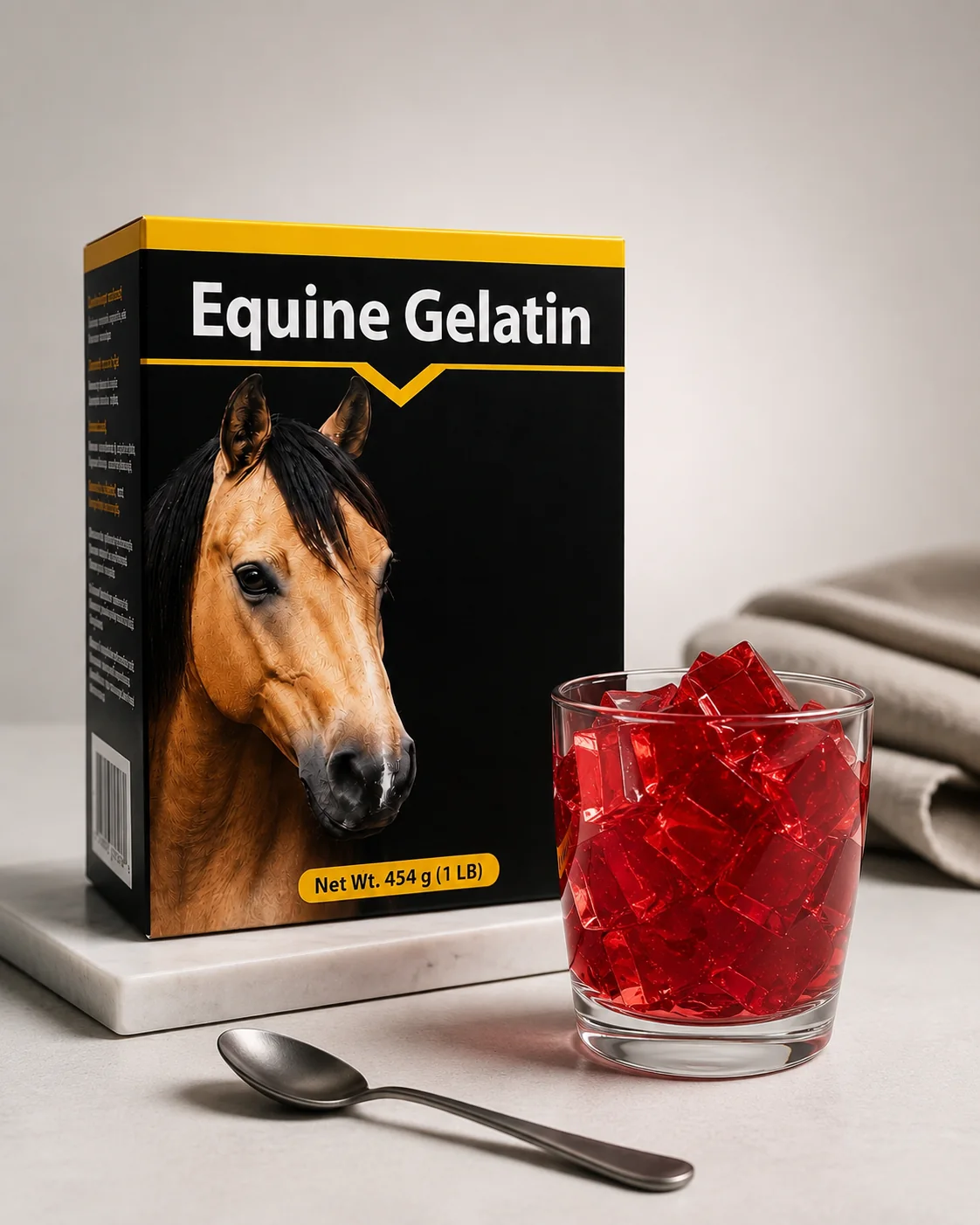
The product in the photograph is a food-grade powder. It is not a medicine, not a supplement with health claims, and not marketed as a treatment for any condition. Its role is functional, not therapeutic.
This editorial leads with the method because the correspondence does. Readers describe how the habit works — where it sits, what it borrows — before they mention what fills the glass. The placement is the story; the substance is a footnote.
Section 5 · Six label checks
Exact weight on the label. Vague language is a reason to move on.
The species should be clearly identified.
A food-grade product should not claim to treat, cure, or prevent disease.
Independent lab references signal diligence.
One-time purchase vs recurring — check before buying.
Anyone on medication should consult a professional first.
Section 6 · What readers describe
The method is what sold me — not the product. I read the three steps, tried them for a week, and the habit stuck before I had time to form an opinion about what was in the glass.
What nobody explained before is that placement matters more than the thing. The counter did the remembering. The spoon was already there. I stopped thinking about it in week two.
I've tried routines that needed five steps, ten minutes, and a dedicated space. This one needed a glass and a spoon. It survived the holidays. That's the test, apparently.
These are illustrative composite examples drawn from editorial correspondence. They represent recurring patterns and do not constitute testimonials for any product. Individual experiences vary.
Section 7 · Frequently asked questions
Because the correspondence arrives in that order. Readers describe the placement first — "I put the glass beside the kettle" — and mention the product, if at all, as an afterthought.
What matters is the surface gets visited daily without a decision. Counter, shelf, windowsill — the material is irrelevant; the visit is the mechanism.
Readers who survive a missed day report the same thing: the habit was small enough that restarting took less effort than not restarting.
Published work suggests three weeks to three months. Readers who track it on paper report the transition more clearly.
The correspondence suggests the contents matter far less than placing the glass in the same spot.
This editorial summarises reader correspondence and published observational work on habit formation. It does not report clinical research.
Yes. Anyone with a medical condition or on medication should consult a qualified healthcare professional before making changes to their routine.
The full editorial
It walks through the placement patterns in detail, the label checks worth making, what lifestyle notes suggest about surviving a disrupted month, and every question worth asking before changing any part of a daily routine.
Continue to the full editorial
No account required · Stop reading whenever you like